
How Smart TVs Are Changing Viewing Habits
Smart TVs have transformed viewing by making streaming platforms and tailored recommendations the new standard in content discovery. Nearly seven in ten households with broadband now rely on apps rather than traditional channels, shifting both what and when people watch. Machine learning selects shows based on past choices, leading to longer sessions and unplanned binge viewing–some studies show viewing hours climbing by 20 percent after the first month of ownership. Differences in internet speed, subscription costs, and interface usability still shape the experience from one home to another.
Why people watch more with smart TVs

Streaming platforms and personalized recommendations appear instantly on smart TVs, removing barriers that once limited channel surfing. The ease of switching between apps and discovering new content has shifted evening routines for many households. Increased access means viewers find themselves settling in for longer stretches, often without planning to do so.
Streaming platforms drive binge watching
The arrival of streaming apps built into smart TVs has eliminated the need for separate devices or complicated setups. Viewers now switch between shows and platforms with only a few remote clicks, a shift that has shortened the delay between episodes. The following steps show how these features encourage longer viewing sessions:
- Navigation menus display recommendations across several platforms at once.
- Most streaming apps automatically play the next episode after a brief countdown, unless the viewer intervenes.
- Smart TV remotes often have dedicated shortcut buttons for major streaming services, reducing time spent searching.
- User profiles and watchlists track progress, so viewers resume series from the exact point they stopped without searching again.
Moving seamlessly from one show to another through integrated menus increases the chance of watching several episodes at once, compared to searching manually each time. When user profiles are set up, the process becomes even smoother, as content and progress remain personalized.
Personalized recommendations keep viewers engaged
Smart TVs now track every show watched, every pause, and each skipped episode. This data is used to build a detailed viewer profile that evolves over time.
Unlike traditional television, where channels broadcast to everyone, smart TVs deliver tailored recommendations with each session. Someone who watches cooking shows will see a row of new recipe videos, while a fan of thrillers gets a mix of recent crime series and suspense films.
Viewers often discover niche documentaries or foreign films they never searched for. The system pushes content similar to past favorites, making the next choice effortless. As a result, even casual viewers end up watching several episodes in one sitting without planning to.
Personalized algorithms can create a feedback loop, raising the likelihood of watching more than intended. Voice search and on screen prompts now further speed up content discovery, reducing the time spent deciding what to watch.
Convenience and tailored suggestions on smart TVs drive people to watch for extended periods. Awareness of these triggers helps explain changing habits around screen time.
How smart TVs change family viewing

Family routines shift when a single living room screen can stream almost any show on demand. Spontaneous group movie nights become easier, yet individual profiles and app features often pull attention in different directions. Smart TVs offer tools to personalize content, altering the classic experience of watching together.
Shared screens versus personal devices
Living rooms once filled with shared laughter during evening programs now see family members scattered with tablets and phones. The rise of smart TVs has made group viewing easier, but also competes with strong habits of personal screen use.
| Viewing setup | Interaction level | Content choice method | Typical interruptions |
|---|---|---|---|
| Single large TV, all family present | High–shared reactions, discussions | Remote or voice, group selects | Few, often only snacks or comments |
| Multiple personal devices, same room | Low–silent, rare conversation | Individual selection, on-demand apps | Frequent–messages, notifications |
| Smart TV with casting from phones | Moderate–some sharing, some solo | Device pushes content to main screen | Occasional–setup pauses, switching sources |
| Smart TV, built-in streaming apps | Moderate–joint picks, some drift to phones | Central menu, sometimes one person leads | Occasional–pausing for someone to catch up |
| Personal viewing on tablets in bedrooms | None–separate spaces | Each selects privately, often binge-watching | Many–breaks, chatting, multitasking |
Group viewing on a single TV leads to the richest conversation, while isolated device use fragments attention. Smart TVs with casting encourage some interaction but cannot fully restore the shared anticipation of a single screen.
Profiles and parental controls shape habits
Children often switch between animated shows and nature documentaries, while adults prefer dramas or news. The ability to assign individual profiles on smart TVs has shifted viewing from compromise to targeted content curation:
- Each family member creates a personal profile, storing watch history and recommendations.
- Parental controls are activated for younger profiles, filtering mature content and restricting purchases.
- Algorithms propose shows based on profile use, steering family movie nights toward what the group account has sampled.
- Parents set daily or weekly screen time limits, which automatically sign out children when time expires.
- When parents unlock restricted content for a special occasion, the system logs this exception, tracking how often boundaries are flexed.
Households with wide age gaps between siblings see the greatest benefit, as conflicts over what to watch drop sharply. The log of restrictions can reveal patterns, prompting a timely update of controls as children grow.
Group viewing now competes with customized content streams that can fragment attention. The shared screen still shapes family time, but setting clear expectations is key for balancing personal choice with moments spent together.
What limits smart TV adoption
Upfront cost stops some households from upgrading, especially in rural areas or among older adults who still use standard televisions. Devices that require regular updates also worry people who dislike technical complexity or have unreliable internet connections.
An older couple in a small town may avoid smart TVs because streaming needs fast broadband, which is less available outside cities. Others fear losing channels they trust or dislike learning new interfaces, so they keep their familiar remote and broadcast setup.
Retailers report higher sales in urban regions, where internet coverage and digital confidence run higher. In contrast, limited service and discomfort with new features slow adoption in less connected communities.
How smart TVs affect content discovery
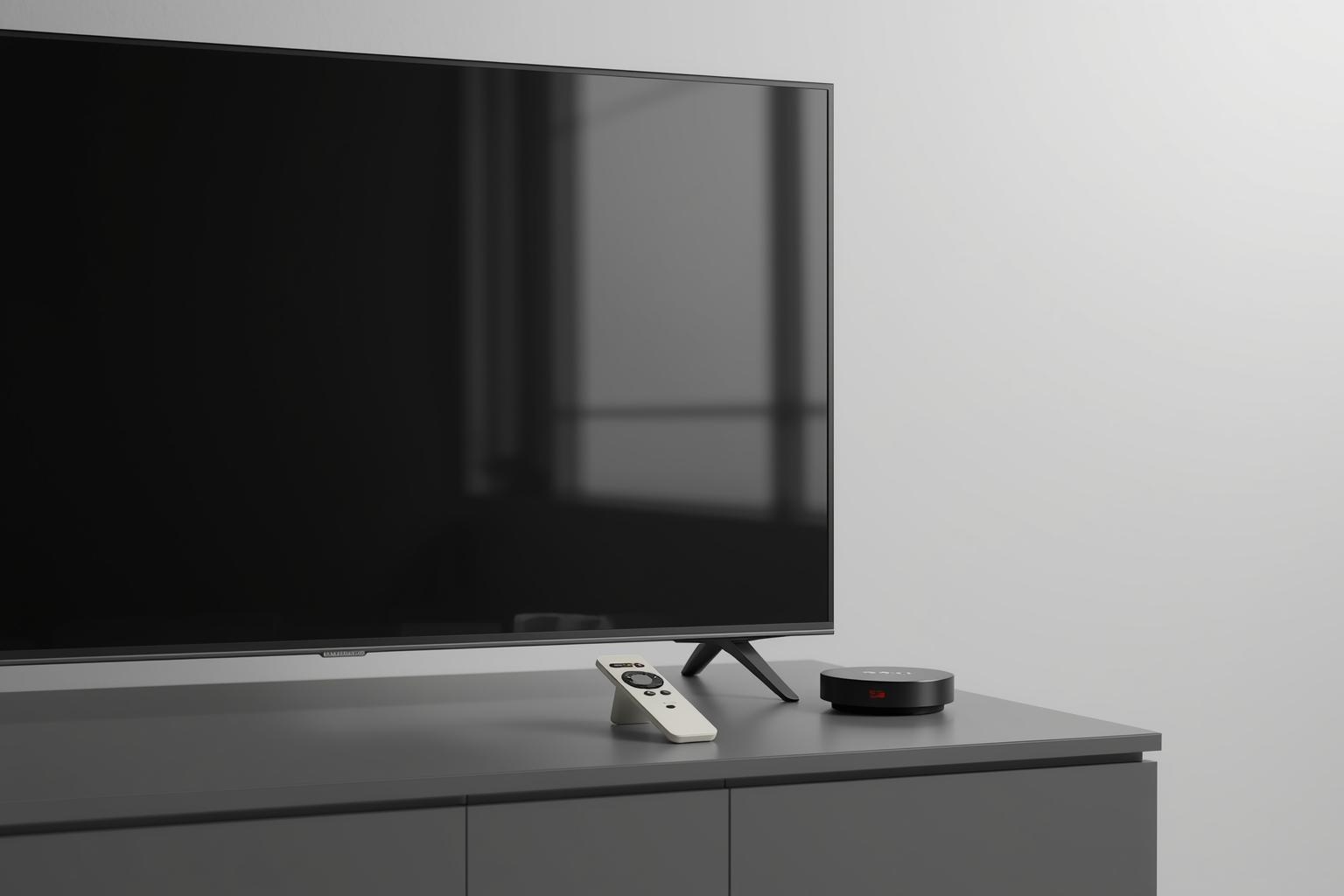
Smart TVs place streaming platforms, apps, and search tools side by side on the home screen, making direct channel surfing almost obsolete. This shift gives content providers more influence over what appears first or more often.
- Instant access to trending films and series from multiple sources
- Voice search narrows options quickly, even with vague requests
- Personalized menus highlight genres based on previous watches
- Integrated recommendations often include titles outside traditional TV schedules
- Algorithmic suggestions can crowd out smaller productions
- Sponsored placements can dominate top menu spots
- Voice recognition errors sometimes block less common titles
Confusing paid placements for organic recommendations leads to a narrow view of available content. Checking the source of each suggestion reveals whether it ranks high due to genuine popularity or partnership deals.